
The United States
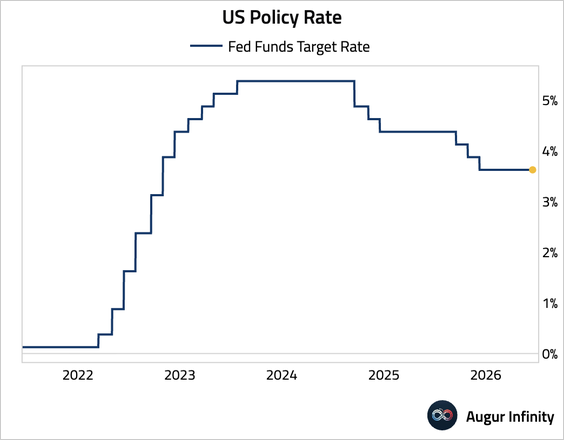
1. In the first meeting under Kevin Warsh’s leadership, the FOMC voted unanimously to hold rates at 3.50%–3.75%, in line with consensus.

Source: @WSJ Read full article
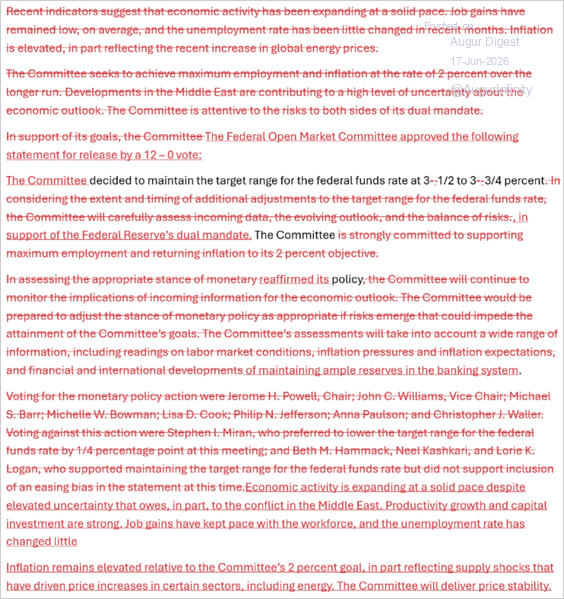
• The FOMC statement was drastically altered.
Source: LPL Financial
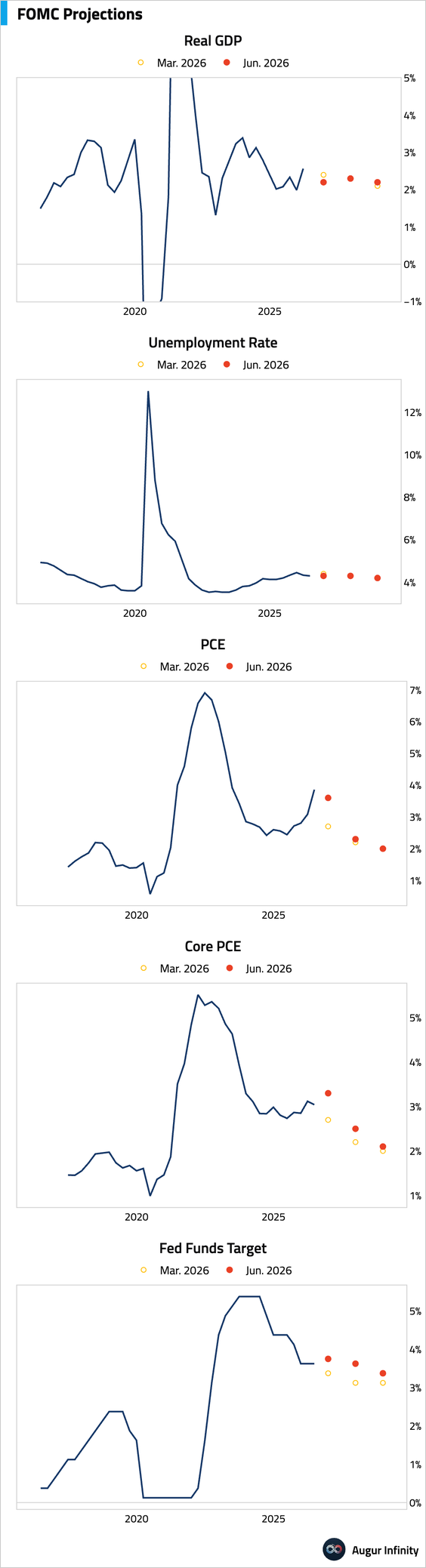
• The FOMC raised its 2026 inflation projection sharply while trimming its GDP growth forecast. Notably, Chair Warsh did not submit his projections.
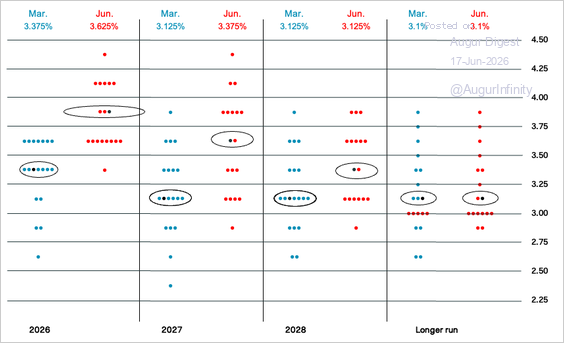
– Nine out of 18 officials penciled in at least one hike this year, with six out of the nine forecasting multiple hikes.
Source: Pantheon Macroeconomics
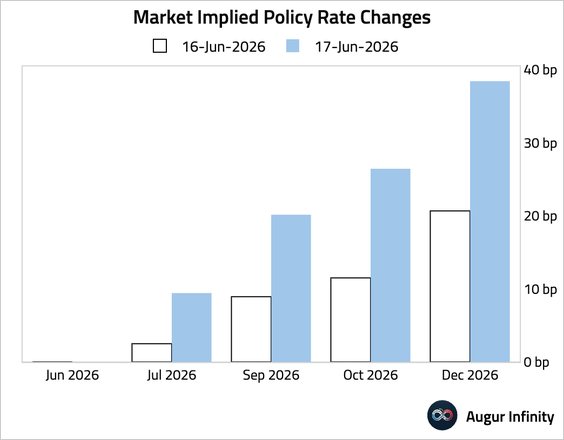
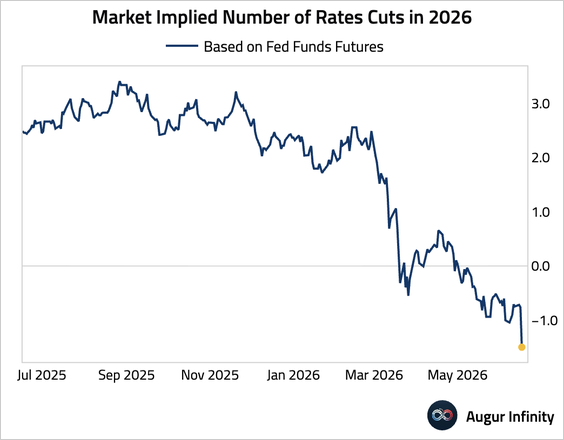
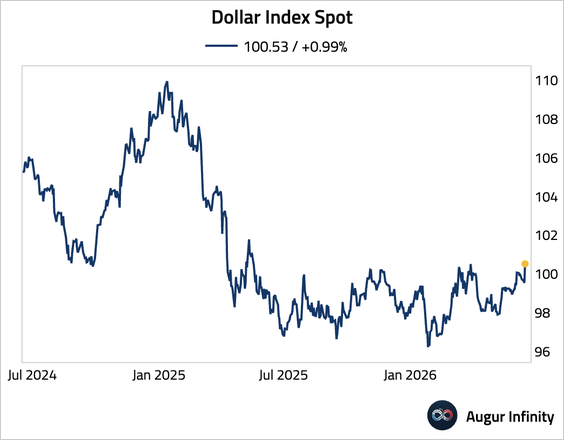
• The markets reacted hawkishly.
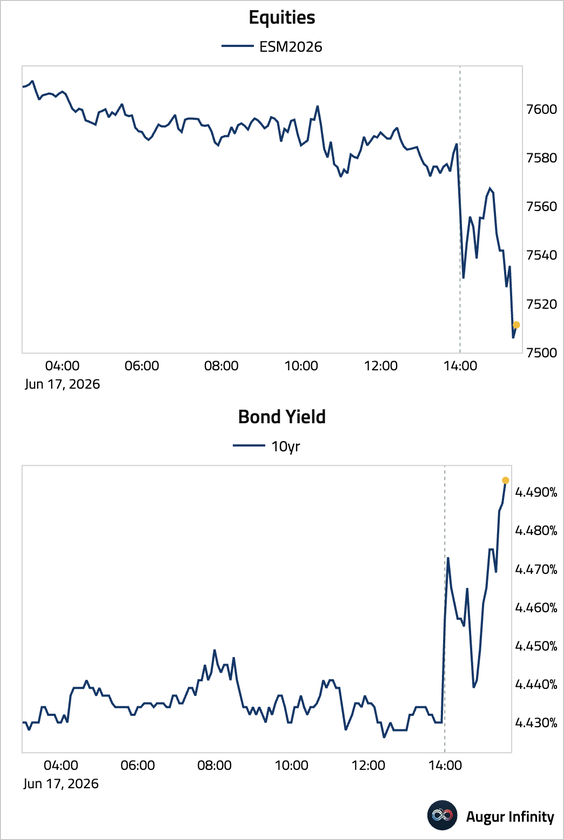
– The market’s implied rate hikes for 2026 increased.
– The dollar strengthened.
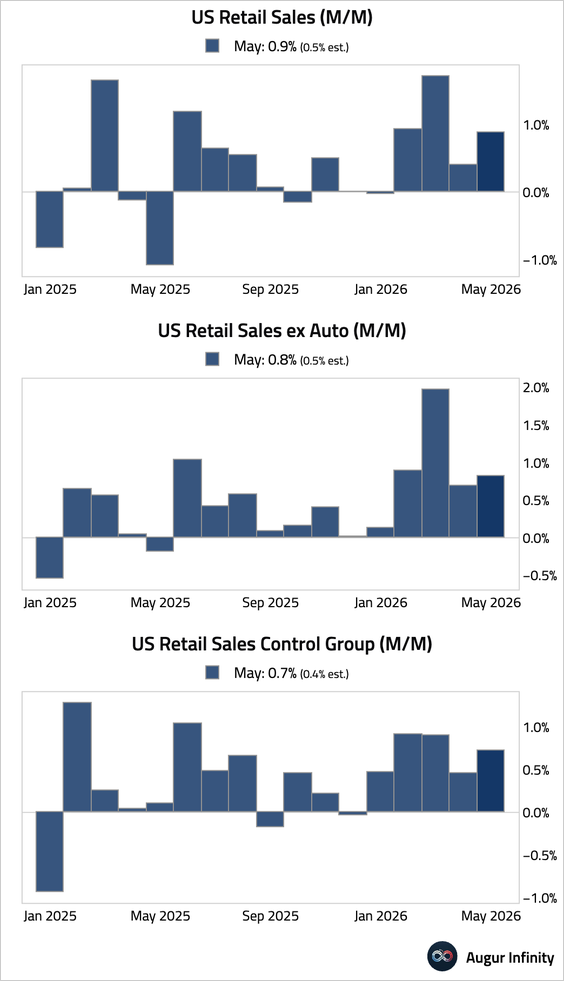
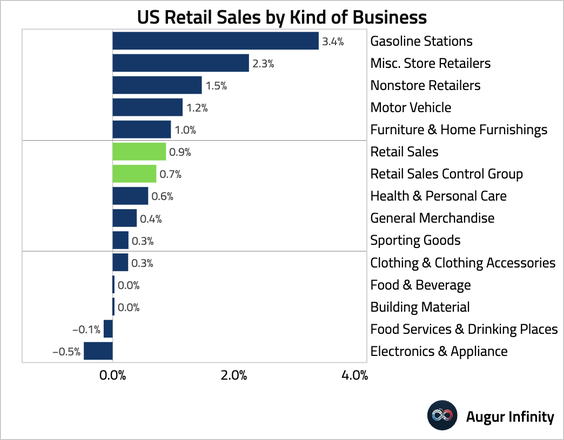
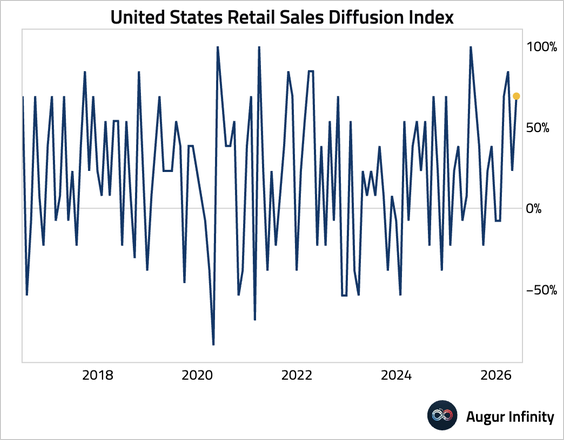
2. Retail sales growth accelerated, beating consensus estimates across the board. The key “control group”—a direct input for GDP—increased by a solid 0.7% month over month. The surge was attributed to a temporary boost from larger-than-usual tax refunds and a rebound in auto sales.
• The strength was broad-based.
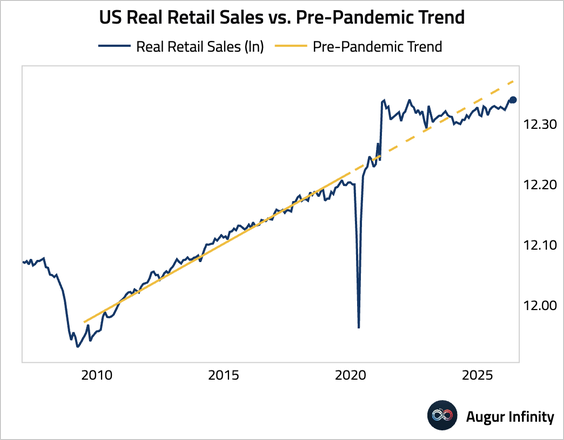
• Here are real retail sales versus the pre-pandemic trend.
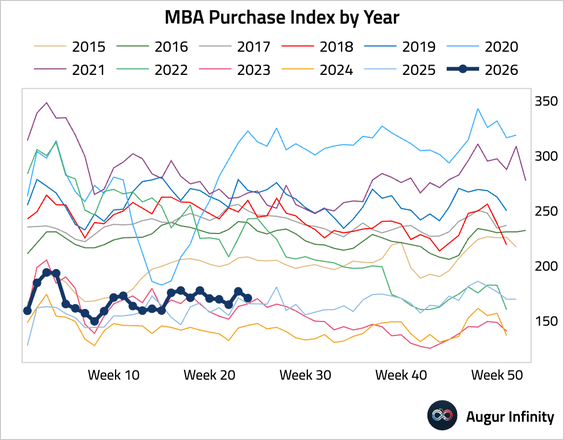
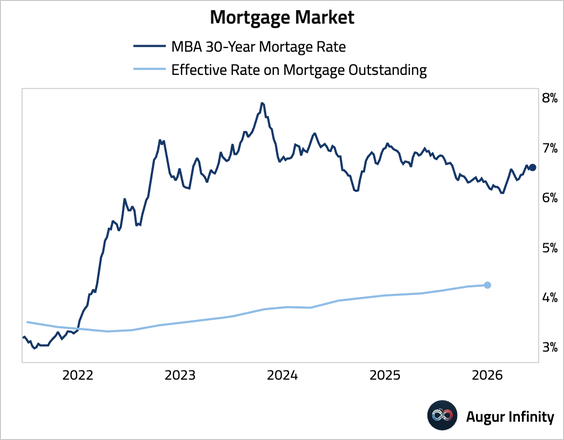
3. Mortgage applications fell as the 30-year fixed mortgage rate held steady.
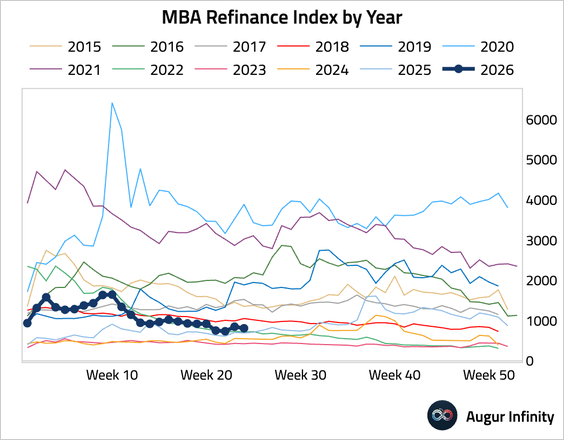
• Refinancing activity also edged down.
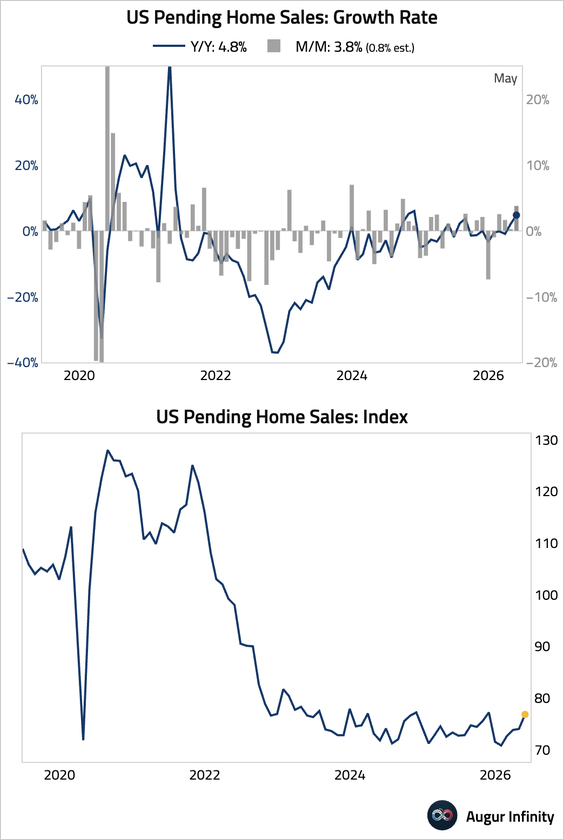
4. Pending home sales rose at the fastest month-over-month pace since September 2024, as pent-up demand offset headwinds from high mortgage rates.
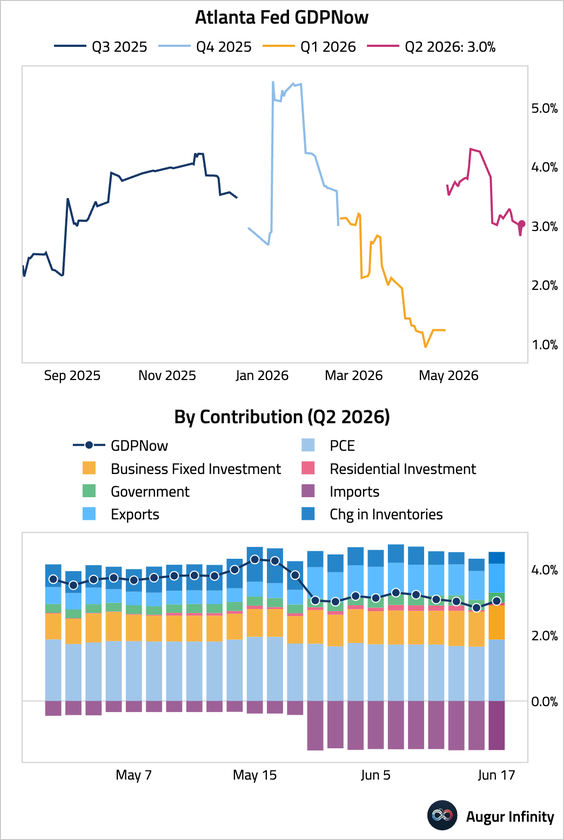
5. The Atlanta Fed’s GDPNow model is now tracking Q2 GDP at 3%, up from 2.8% on Tuesday.
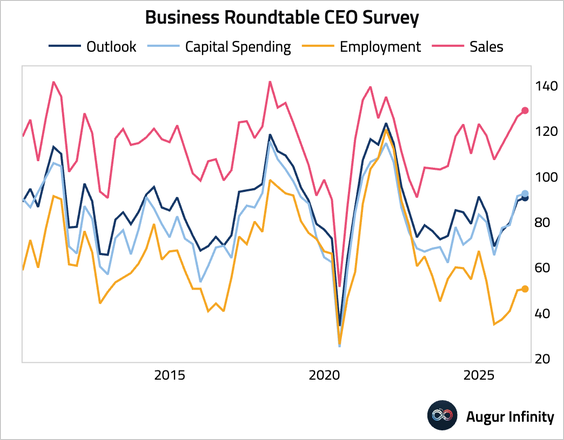
6. Business Roundtable’s Q2 2026 CEO Economic Outlook Index rose for a fourth consecutive quarter to its highest level since Q4 2024, as stronger sales expectations and capital spending plans offset hiring intentions that remained near neutral.
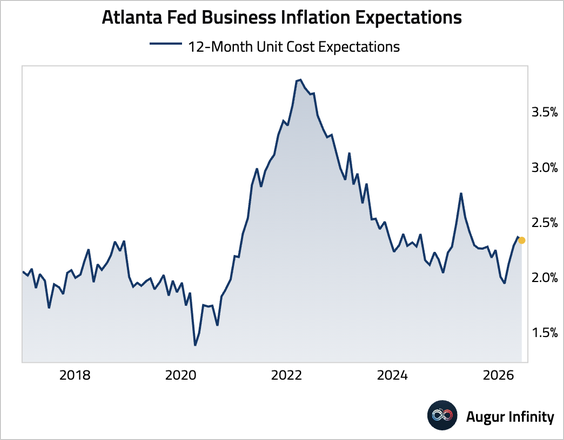
7. Business inflation expectations for the coming year edged down to 2.3%, according to Atlanta Fed’s latest survey.
Canada
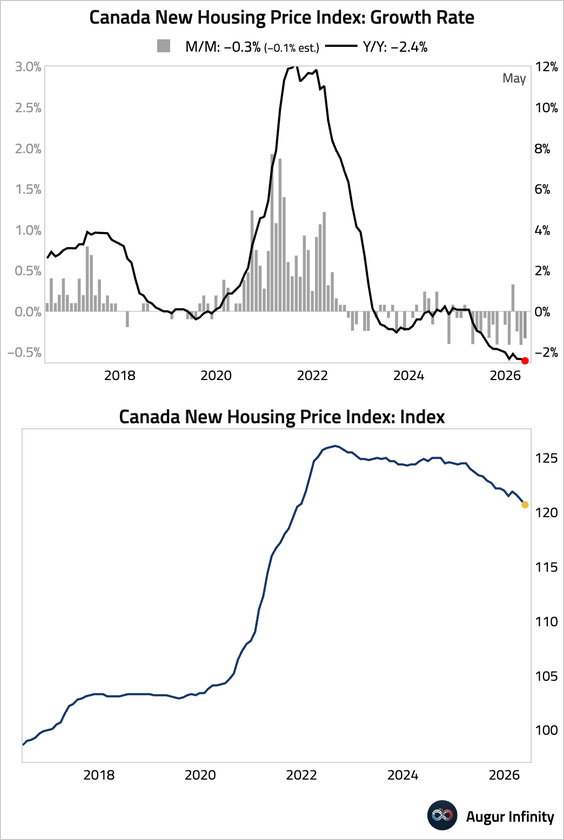
1. New housing prices fell for the third consecutive month.
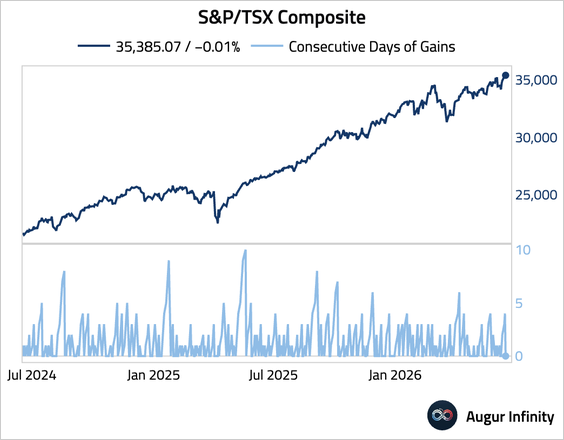
2. The S&P/TSX Composite has gained for five consecutive days.
The United Kingdom
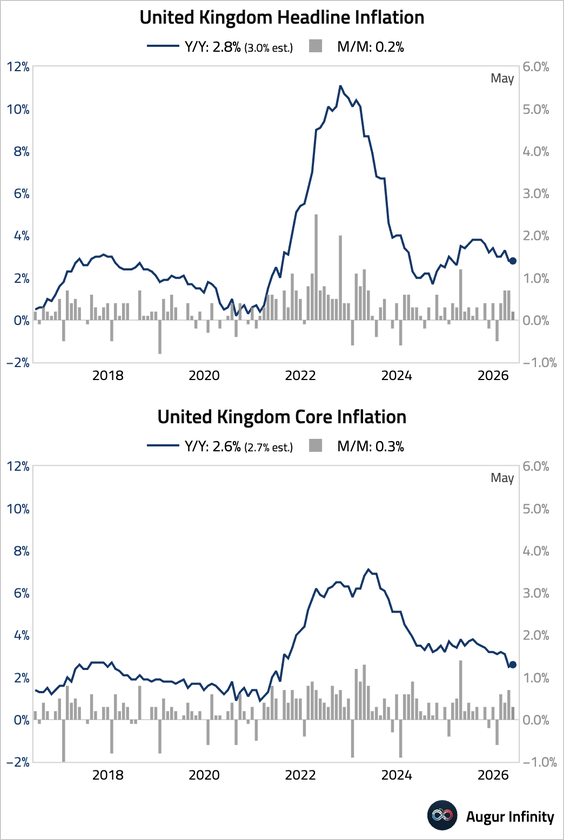
1. Headline inflation unexpectedly held steady at 2.8%, as lower food prices offset increases in transport and energy-related costs. Core inflation ticked up slightly to 2.6% but was also below expectations.
– While services inflation rose year over year, much of the increase was due to base effects, suggesting underlying price pressures may be moderating.
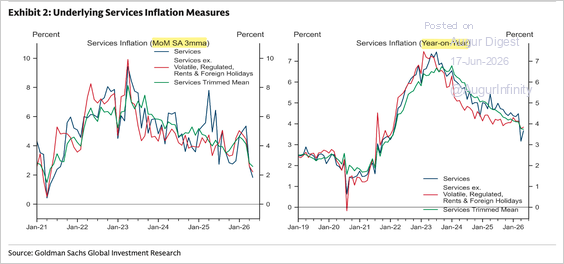
Source: Goldman Sachs
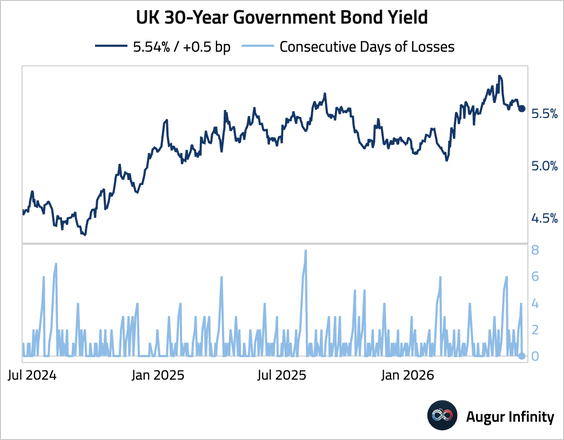
• The 30-year gilt yield fell for the fifth consecutive session.
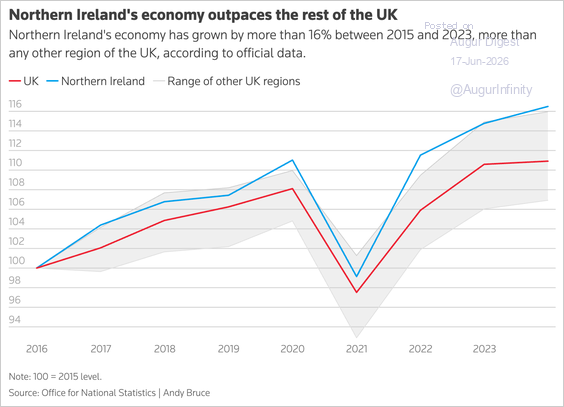
2. Northern Ireland has been the UK’s fastest-growing regional economy since the Brexit referendum, supported by a booming services sector, deeper economic integration with Ireland, and its unique access to both the UK and EU goods markets.
Source: Reuters Read full article
Euro Area
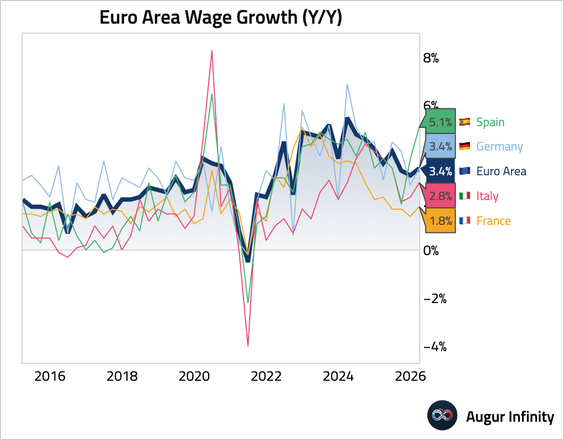
1. Euro area wage growth accelerated in Q1.
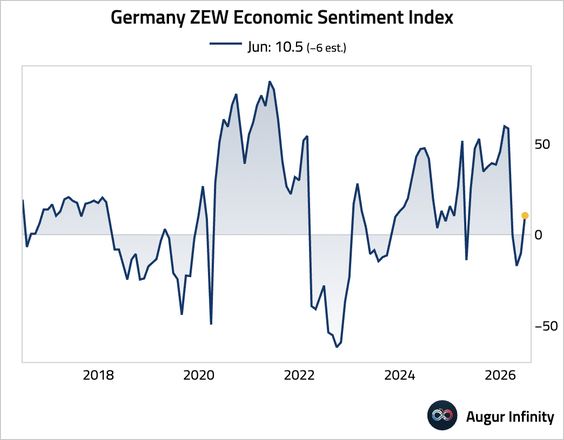
2. Germany’s ZEW Economic Sentiment Index defied expectations for a decline and jumped back to positive territory.
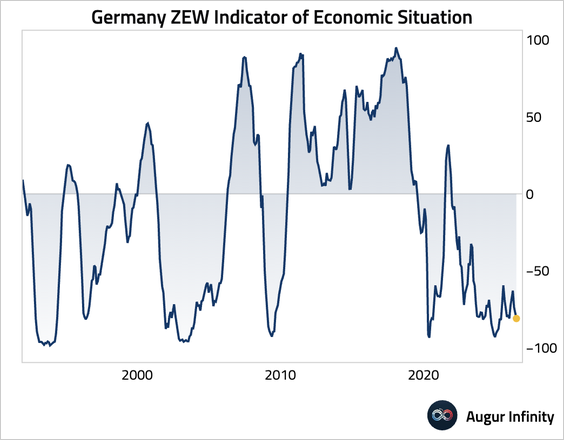
– In contrast, the current conditions component deteriorated further and remained deeply pessimistic.
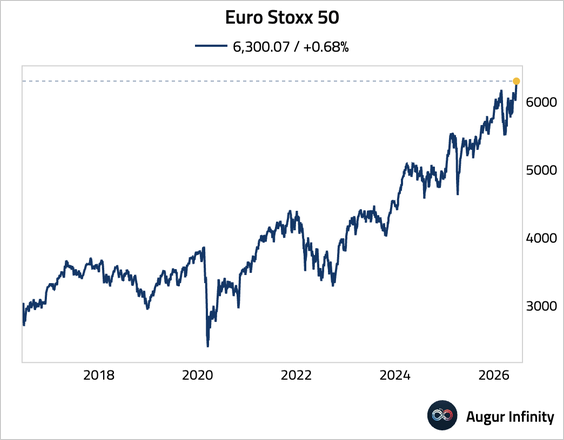
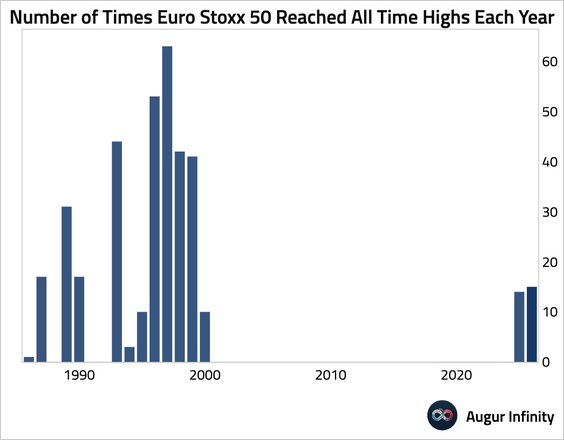
3. The Euro Stoxx 50 is on track for its 15th record high of 2026.
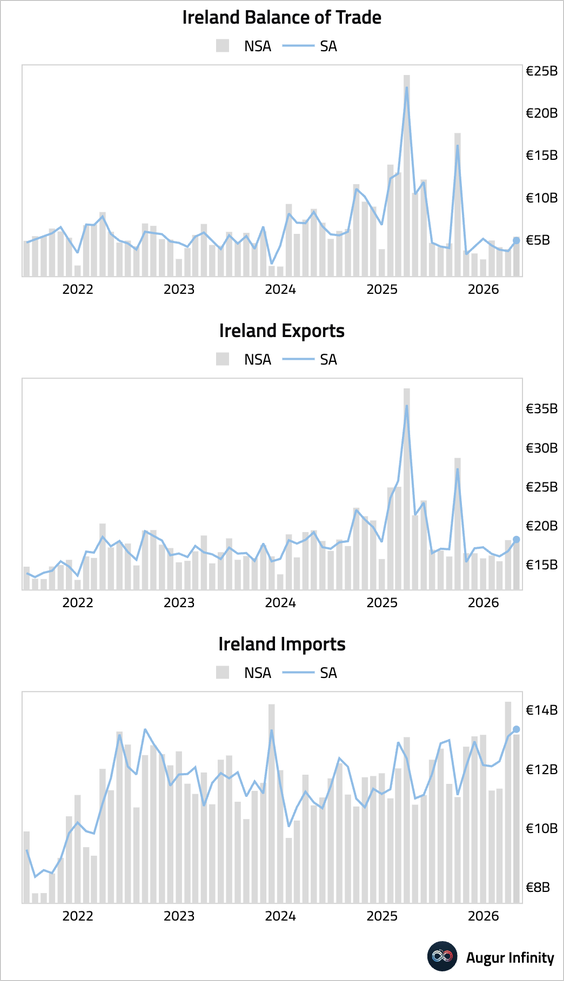
4. Ireland’s trade surplus widened in May.
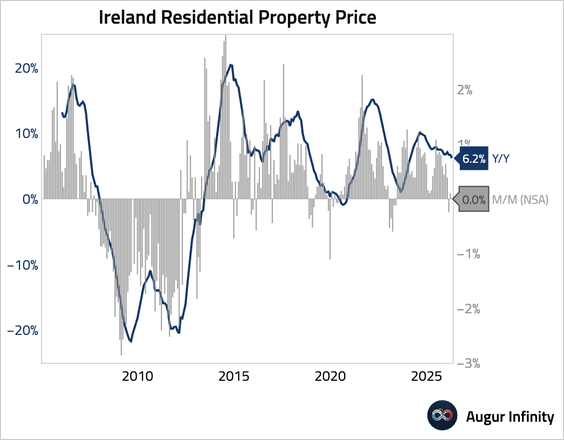
• Residential property prices continued to ease on a year-over-year basis.
Europe
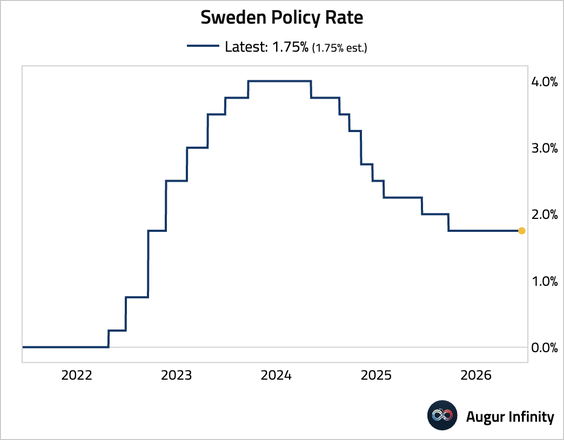
1. Sweden’s central bank held its policy rate at 1.75% but signaled that the likelihood of a rate hike later this year has increased.
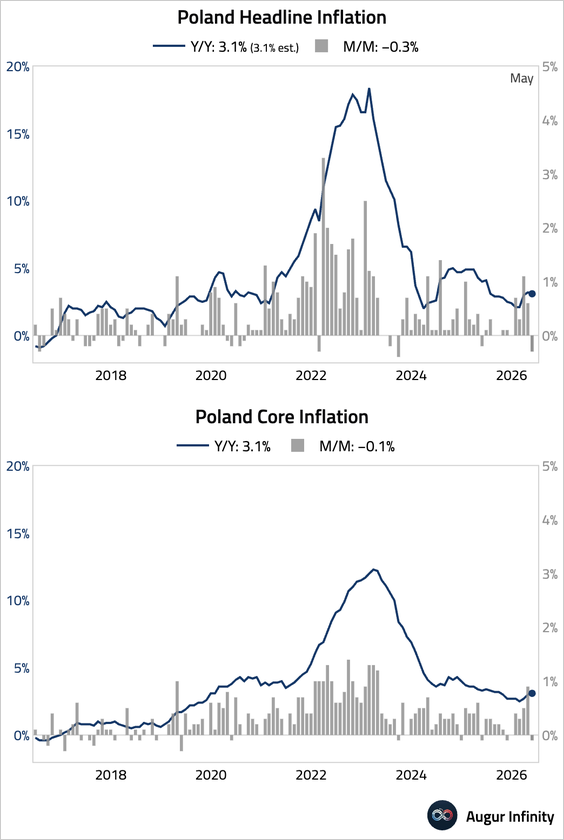
2. Poland’s core inflation rate ticked up year over year, but fell on a sequential basis.
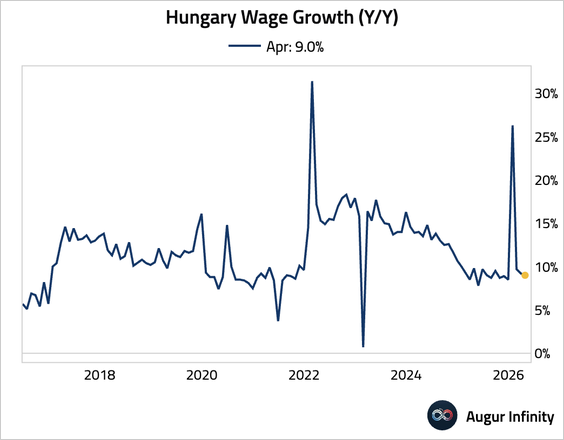
3. Wage growth in Hungary eased slightly.
Japan
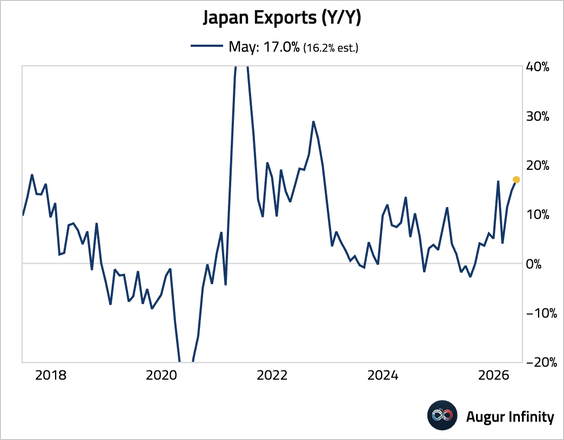
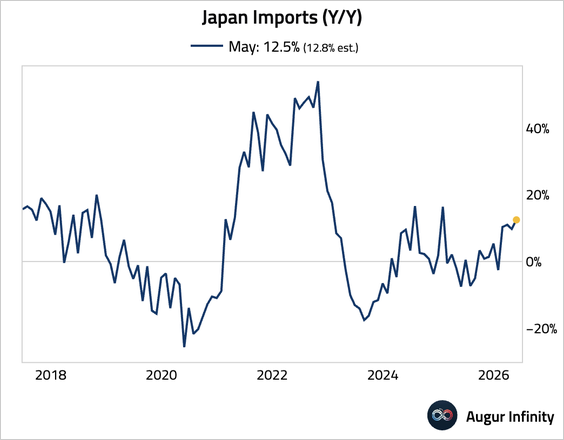
1. The May trade deficit was narrower than expected.
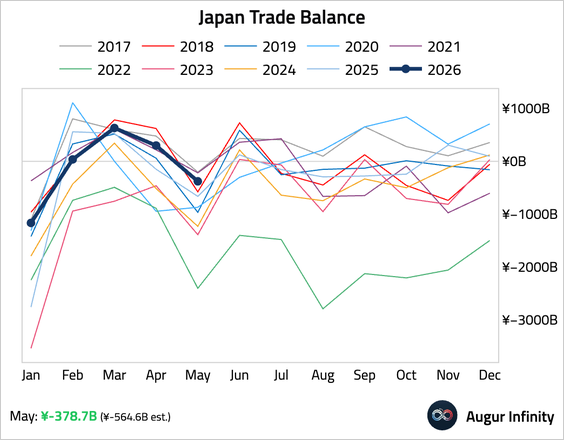
• The growth rates in both export and import <b>values</b> remained solid.
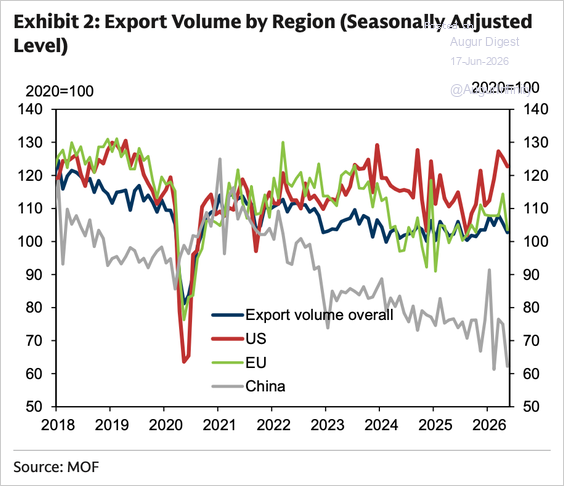
• However, export <b>volumes</b> slowed considerably, with robust shipments to the US compensating for a sharp decline in exports to China.
Source: Goldman Sachs
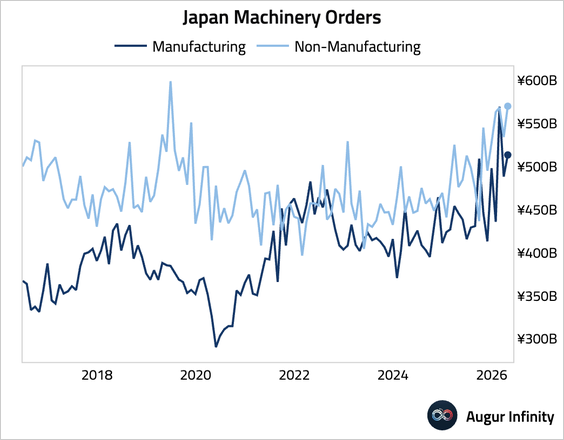
2. Machinery orders rebounded strongly, …
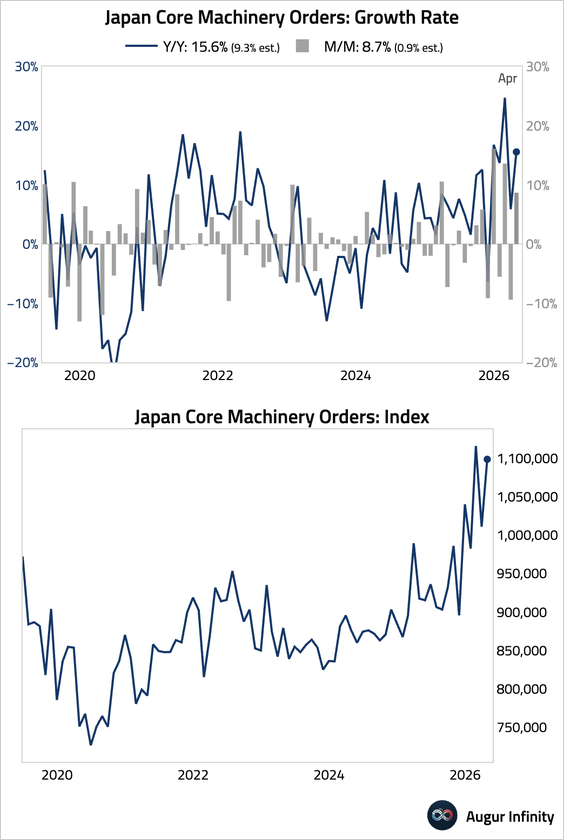
… with broad-based improvement across manufacturing and non-manufacturing sectors.
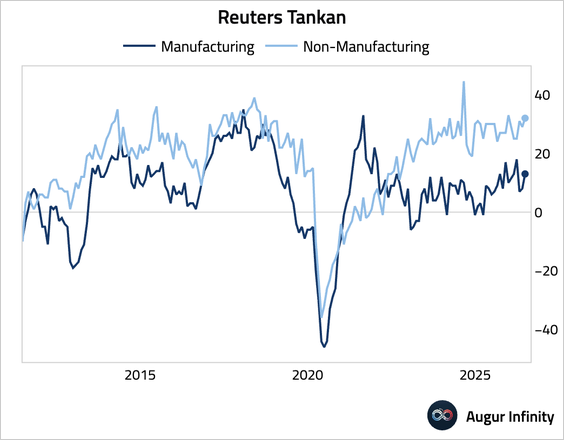
3. The Reuters Tankan index for manufacturers rose, returning to levels seen before the recent geopolitical disruptions, buoyed by a recovery in semiconductor machinery orders. The non-manufacturing index also improved.
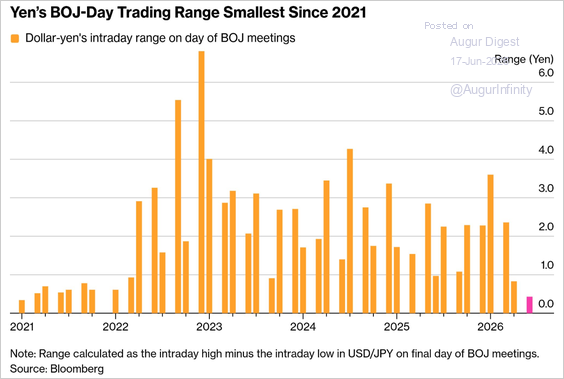
4. The yen’s intraday trading range following the Bank of Japan’s latest rate hike and hawkish guidance was the narrowest for a policy decision since 2021.
Source: @markets Read full article
5. The ruling LDP proposed cutting the consumption tax on food to 1% for two years beginning in April 2027, raising concerns about fiscal sustainability as the measure could reduce tax revenue by an estimated ¥4.4 trillion.

Source: Reuters Read full article
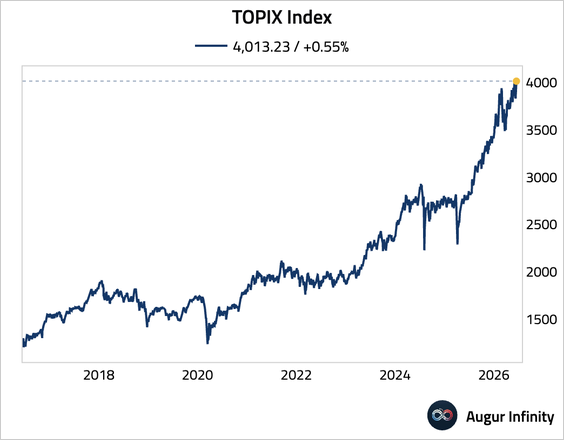
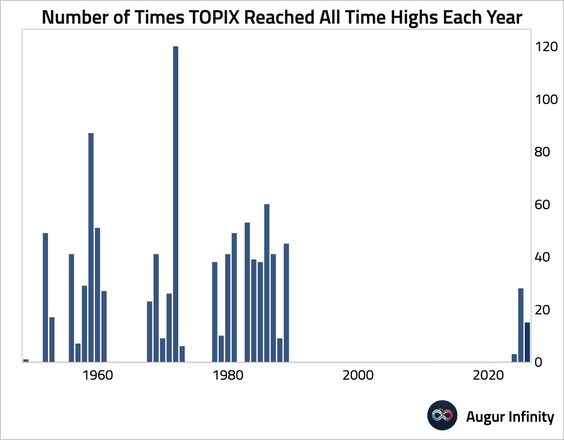
6. The Topix reached its 15th all-time high of 2026.
Asia-Pacific
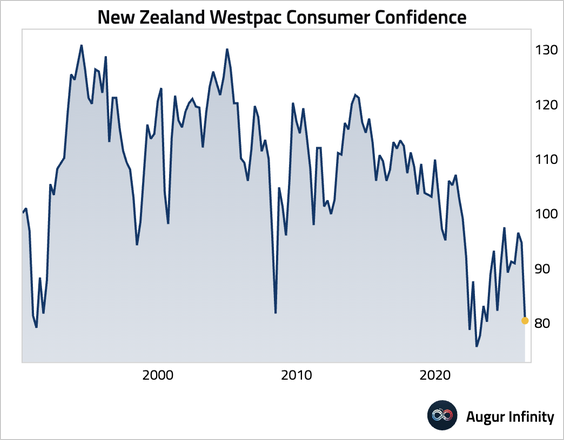
1. New Zealand’s consumer confidence dropped sharply.
• The current account deficit widened on a seasonally adjusted basis.

Subscribe to read the rest.
Become a subscriber of Augur Digest Premium to see all 93 charts today.
Upgrade