
The United States
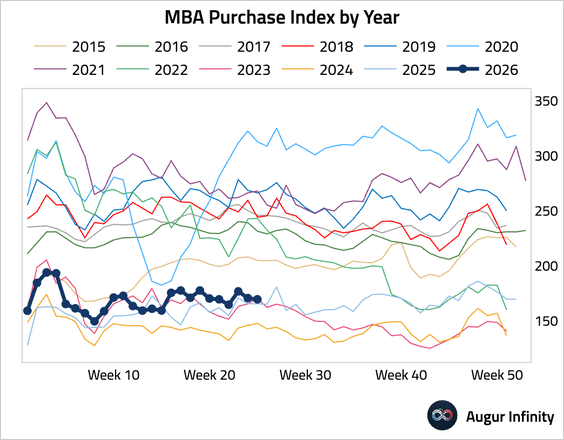
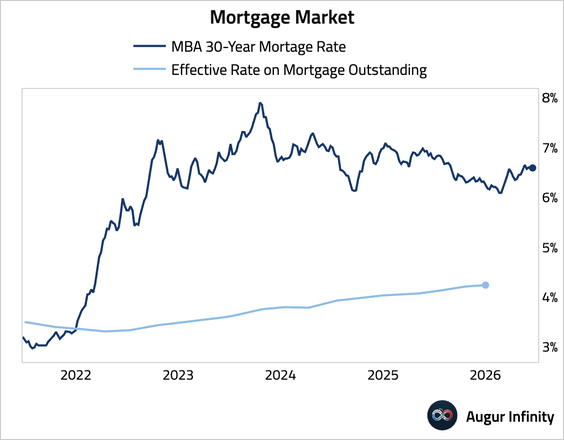
1. Mortgage applications edged lower with the 30-year fixed mortgage rate ticking down by one basis point.
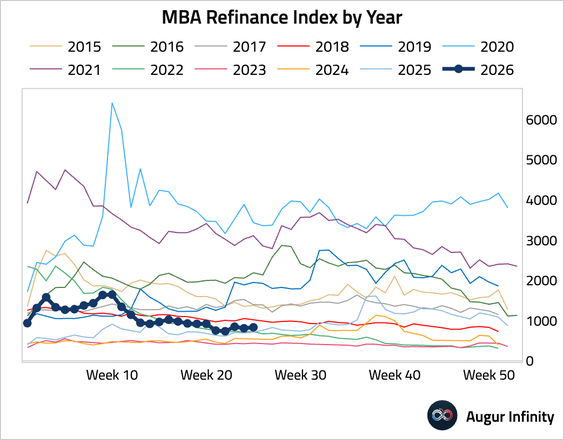
• Refinancing activity edged up.
2. New home sales fell sharply, well below expectations, as elevated mortgage rates continued to weigh on demand despite builder discounts …
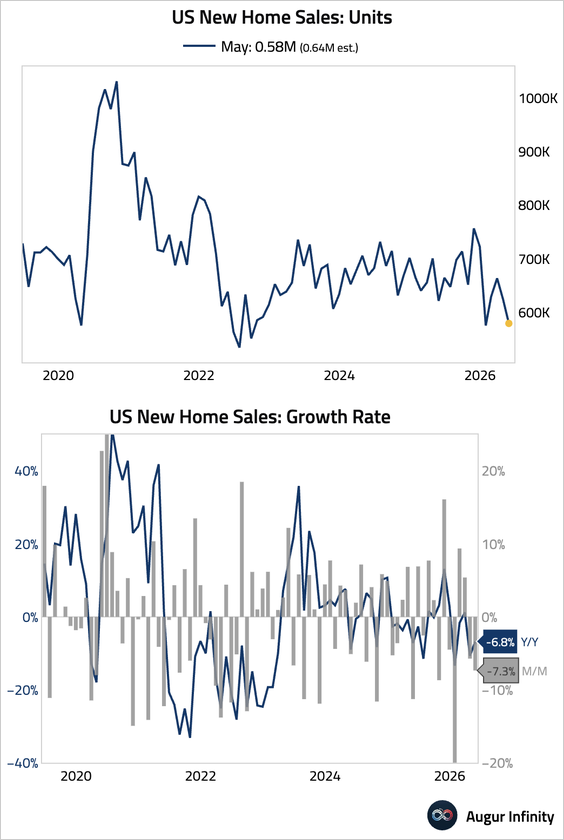
… and a still-high supply of unsold homes.
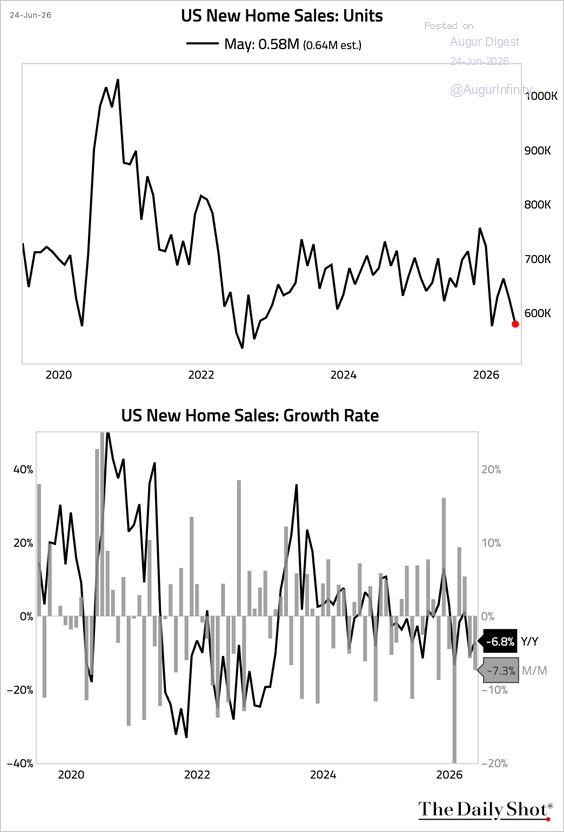
Source: Oxford Economics
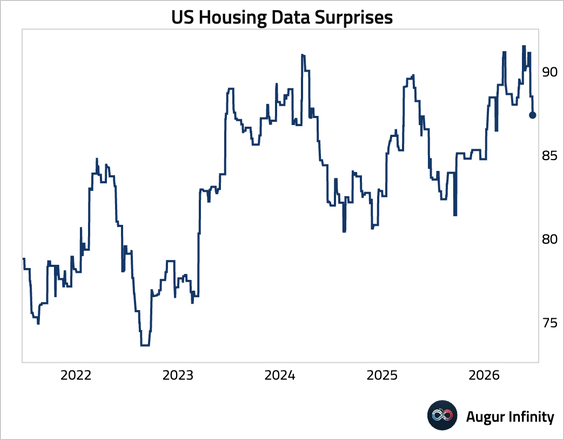
• Housing data have generally surprised to the downside recently.
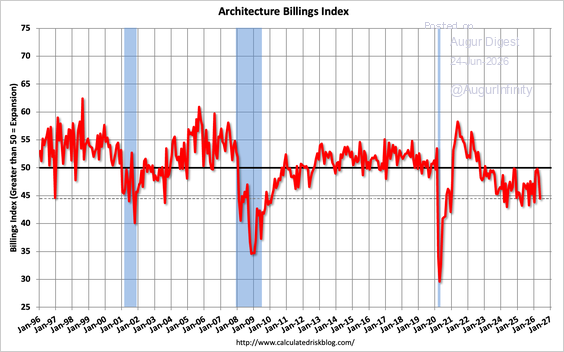
3. Architecture billings fell to a five-month low in May, with the index signaling contraction for the forty-third time in the past forty-four months, pointing to continued weakness in commercial real estate investment over the next 9–12 months.
Source: Calculated Risk Read full article
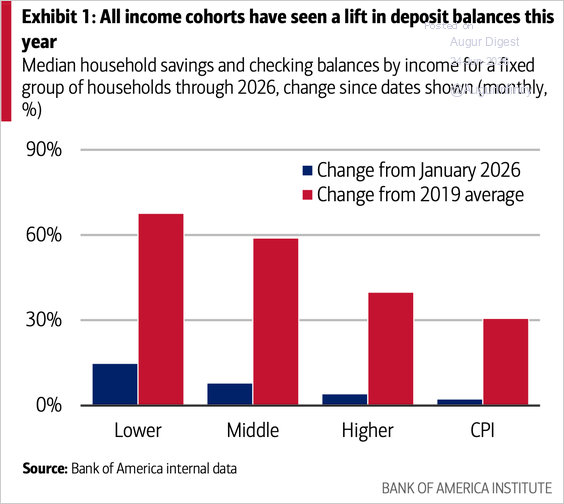
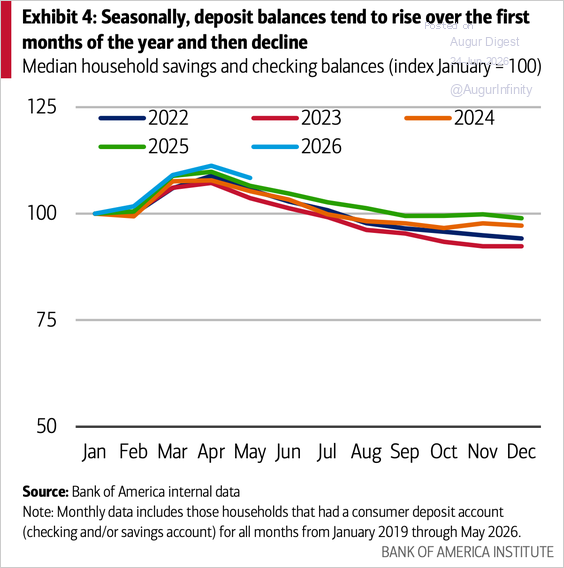
4. Households across income cohorts have seen a rise in their saving and checking deposit balances since the start of this year, according to Bank of America deposit data. The percentage increase has been particularly pronounced among lower-income households due to larger tax refunds.
Source: Bank of America Institute Read full article
• The increase this year is also stronger than comparable periods in prior years, providing a boost to consumer spending.
Source: Bank of America Institute Read full article
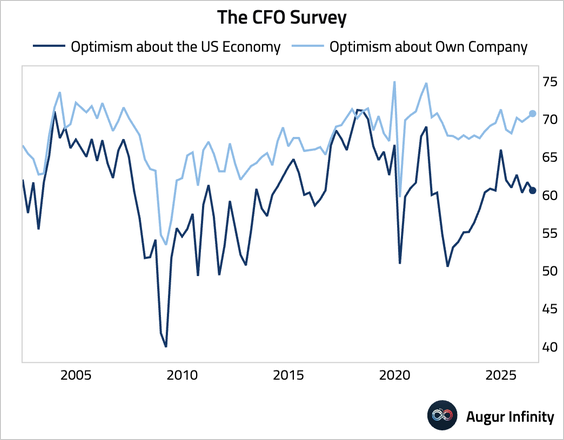
5. CFO optimism about the US economy edged lower in Q2, but optimism about their own companies improved.
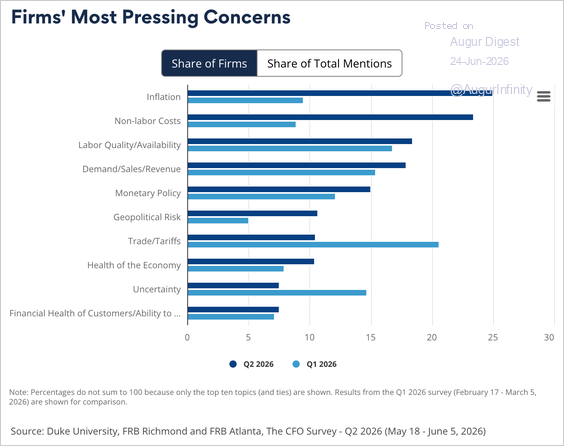
• Inflation jumped back to the top of the list of CFOs’ most pressing concerns, followed closely by non-labor costs.
Source: Federal Reserve Bank of Richmond Read full article
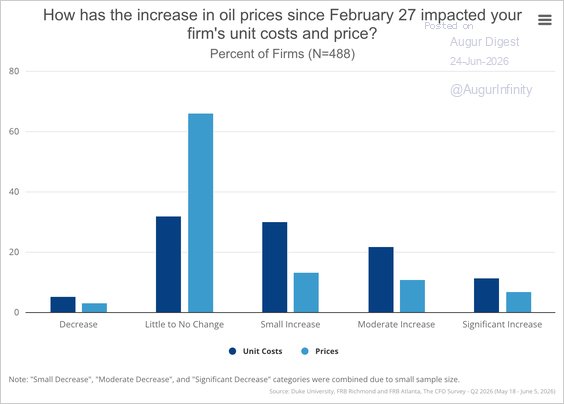
• Higher oil prices boosted unit costs for roughly two-thirds of firms, but only one-third passed those increases on through higher prices, …
Source: Federal Reserve Bank of Richmond Read full article
… while demand was largely unaffected.
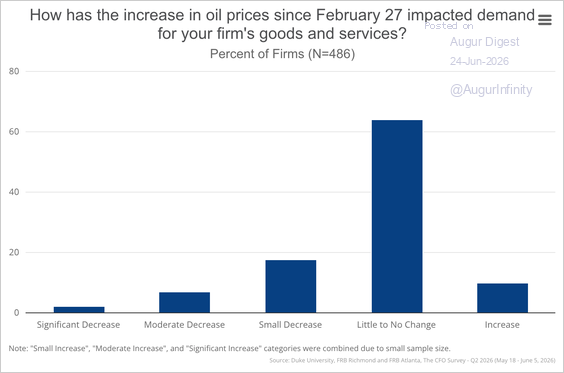
Source: Federal Reserve Bank of Richmond Read full article
6. The Dallas Fed Energy Survey showed oil and gas activity accelerated sharply in Q2.
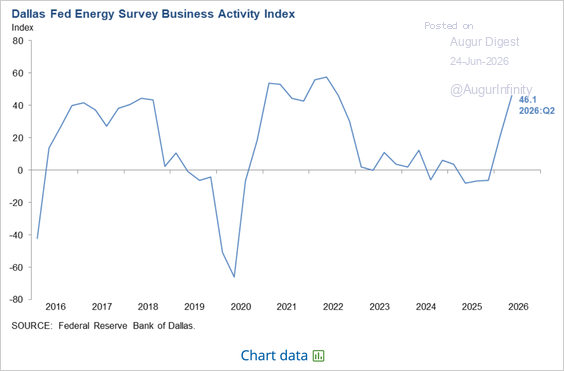
Source: Federal Reserve Bank of Dallas Read full article
Canada
1. Manufacturing sales expanded for a fourth consecutive month.
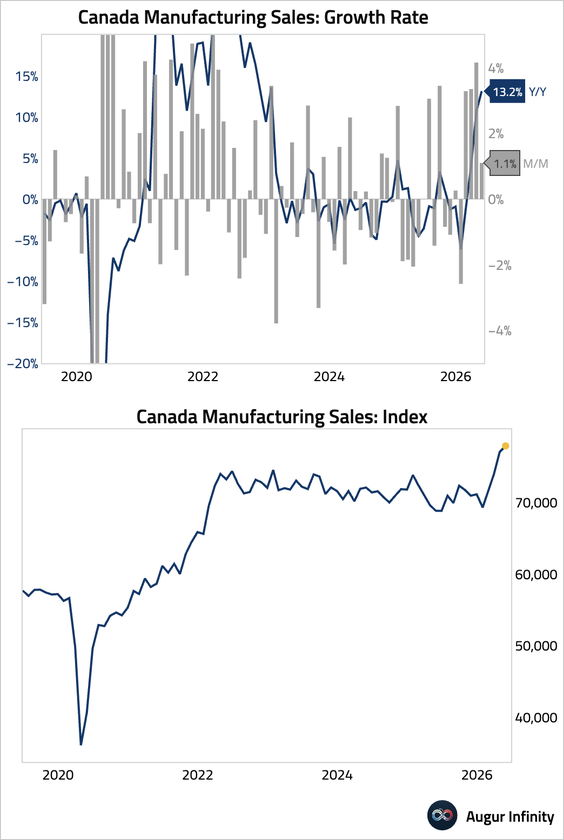
The United Kingdom
1. The pound is trading at roughly the same level against the dollar as it did the day after the Brexit vote—when it dropped 8%—and remains about 10% below its pre-vote level.
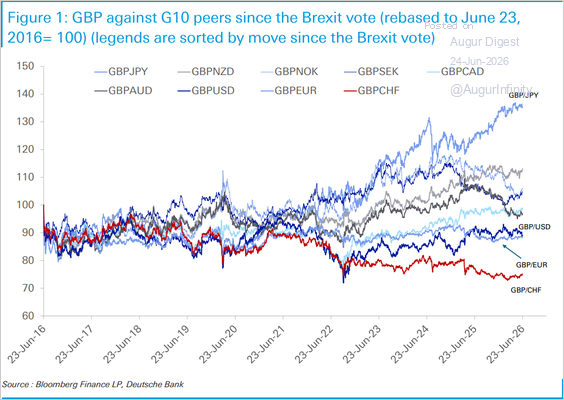
Source: Deutsche Bank Research
• In dollar terms, UK equities have significantly lagged G7 peers since the Brexit vote.

Subscribe to read the rest.
Become a subscriber of Augur Digest Premium to see all 83 charts today.
Upgrade