
The United States
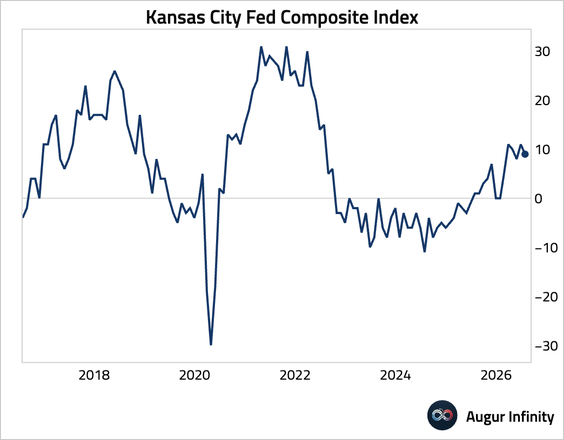
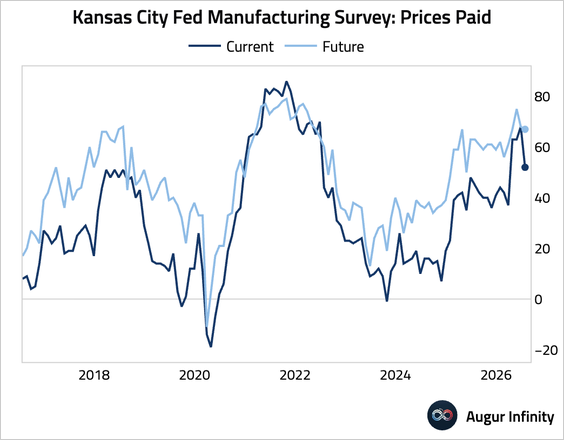
1. The Kansas City Fed’s composite manufacturing index moderated.
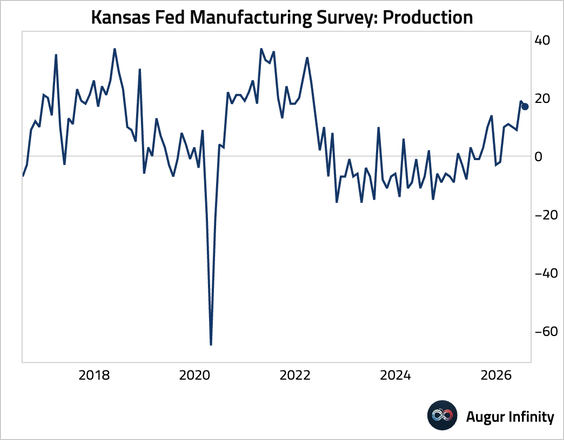
• Production (eased):
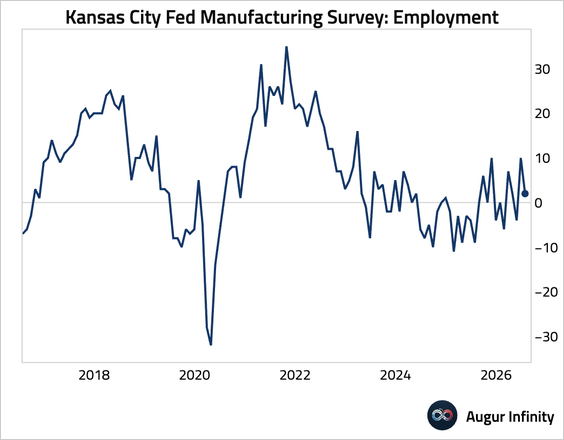
• Employment (slumped):
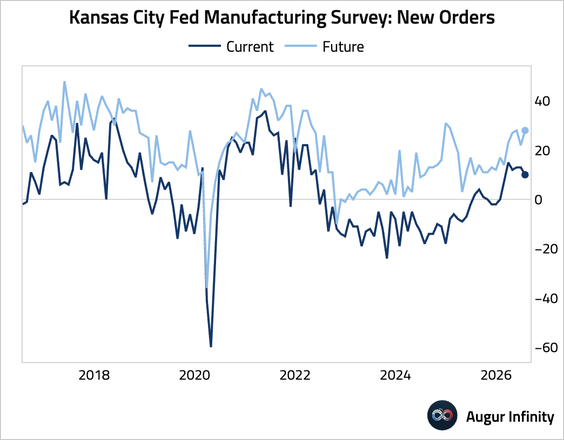
• New orders (declined, though future expectations improved):
• Price pressure (fell, but future expectations remained firm):
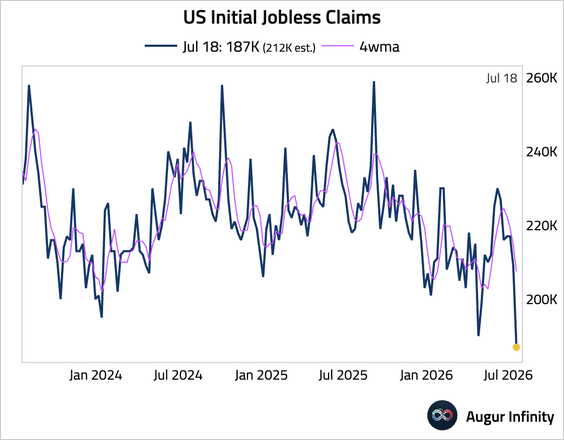
2. Initial jobless claims fell sharply to the lowest level since 1969, likely driven by seasonal distortions from annual auto plant shutdowns.
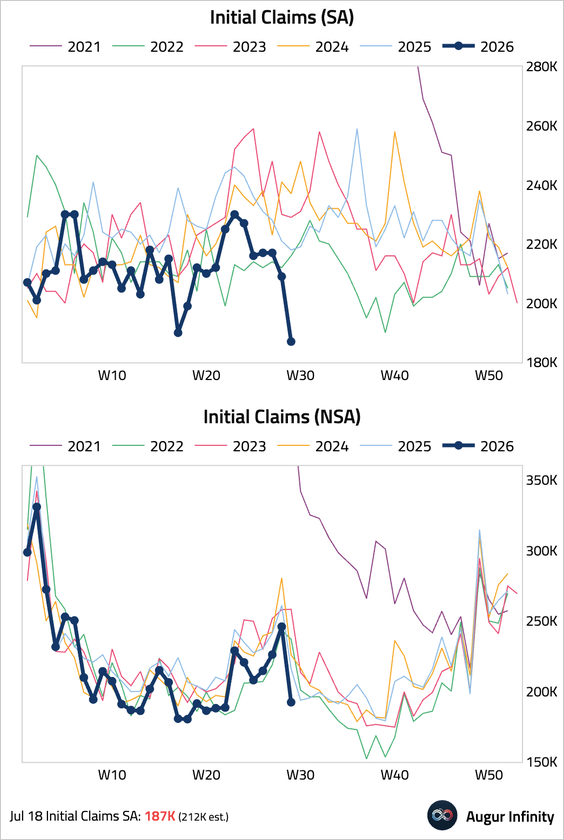
– The four-week moving average fell further.
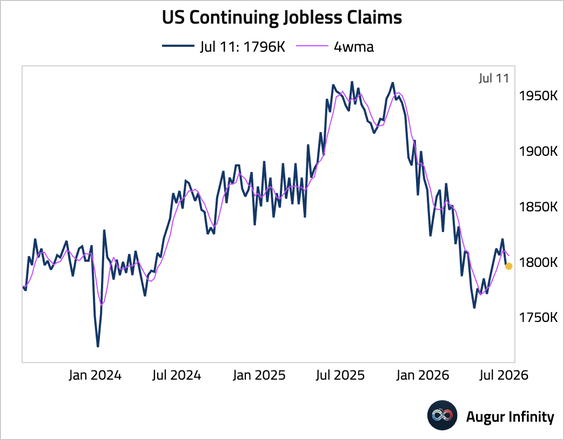
• Continuing claims edged down and remained lower than in the same period last year.
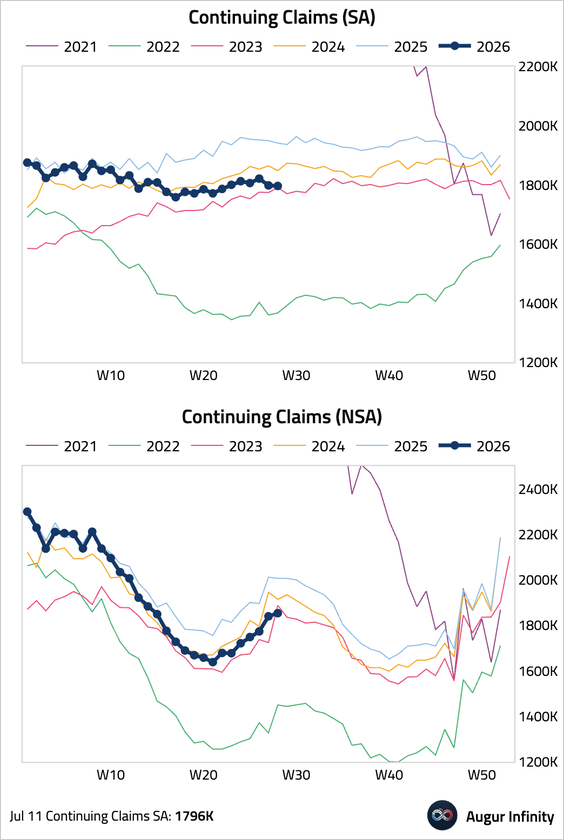
– The four-week moving average dipped as well.
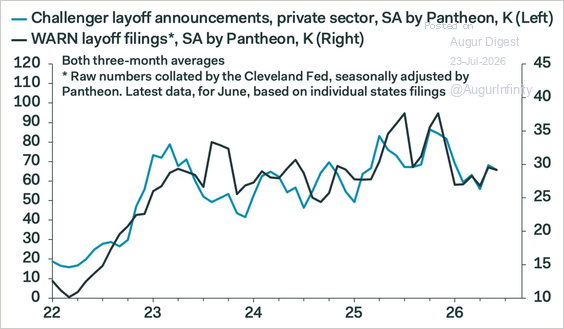
• Leading indicators—such as the Challenger job cuts series and WARN advance layoff notices—point to little change in layoff trends in the near term.
3. Let’s look at different measures of US underlying growth.
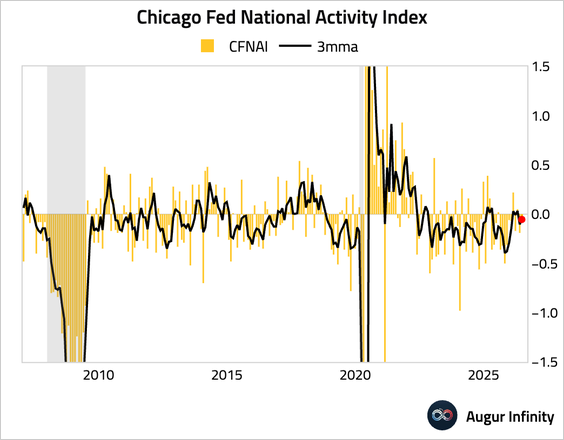
• The Chicago Fed National Activity Index was roughly flat in June, consistent with the economy expanding at trend growth.
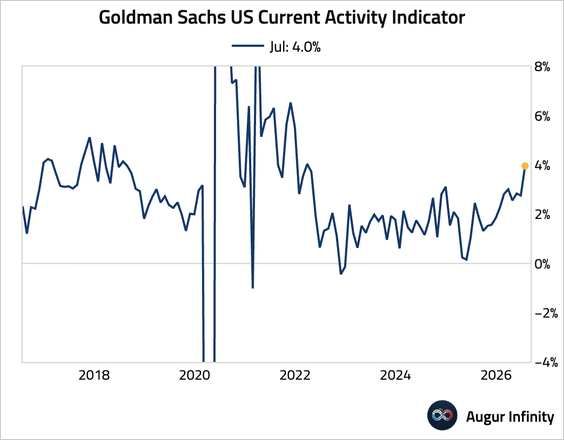
• The Goldman Sachs Current Activity Indicator accelerated sharply to 4% in July.
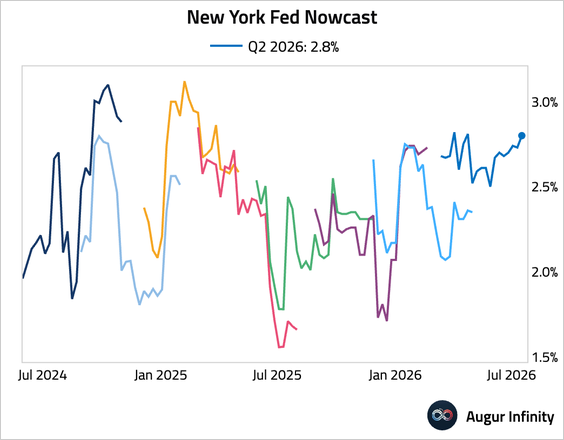
• The New York Fed nowcast points to Q2 GDP growth of 2.8%.
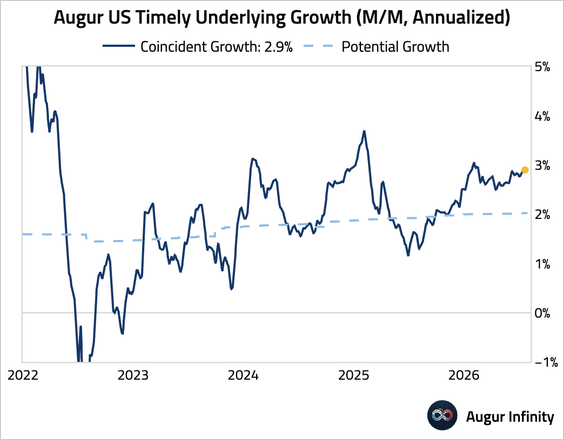
• Our daily underlying growth estimate has been stable at around 2.9%, well above potential growth.
Source: Augur Infinity
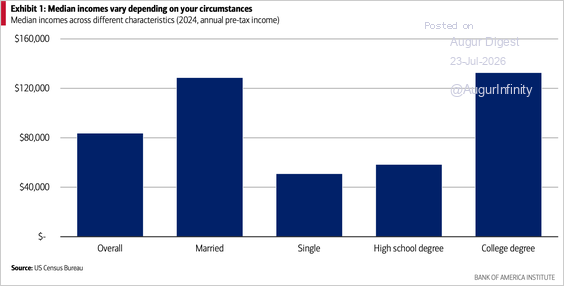
4. This chart shows median income based on circumstances.
Source: Bank of America Institute Read full article
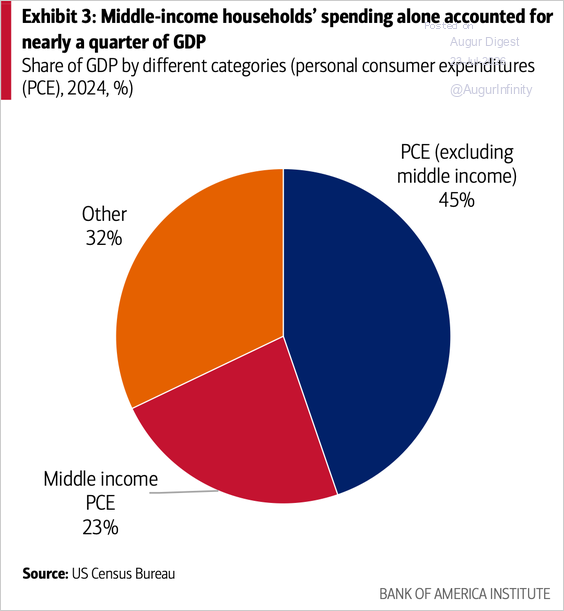
• Middle-income households’ spending alone accounted for nearly a quarter of GDP.
Source: Bank of America Institute Read full article
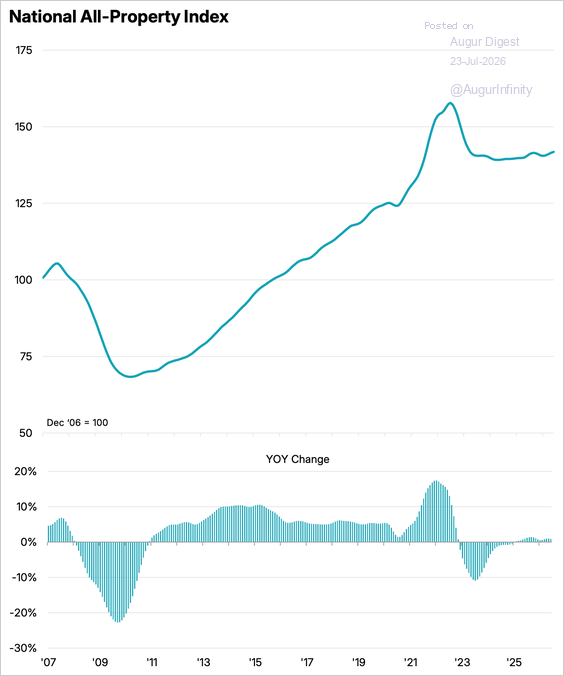
5. Commercial property prices rose 0.9% year over year in June, led by continued gains in office properties—particularly suburban offices—while apartment and industrial prices remained under pressure.
Source: MSCI
Canada
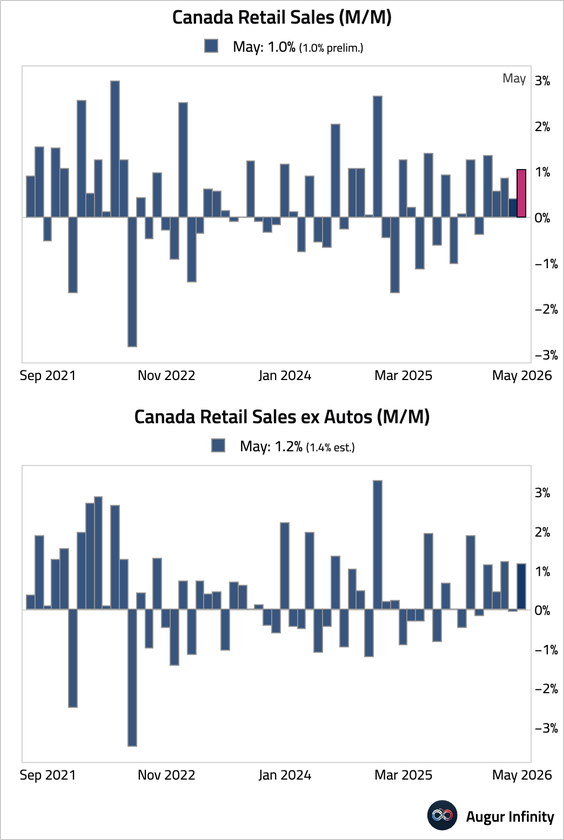
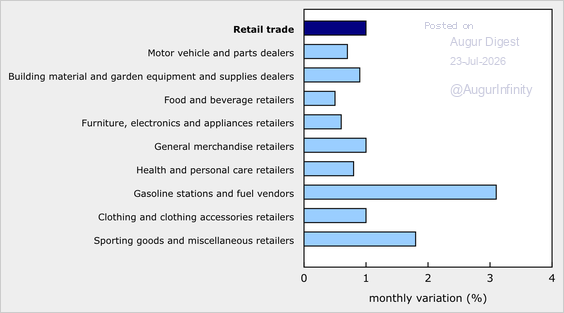
1. Retail sales posted modest gains in May, supported by robust core demand excluding automobiles. The preliminary estimates point to a further increase in June.
• The gains in May were broad-based.
Source: Statistics Canada
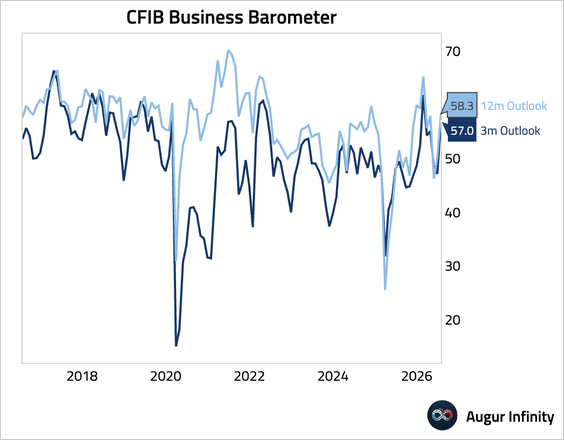
2. Small business optimism jumped in July. However, because the survey was conducted prior to the latest US tariff escalations, sentiment remains vulnerable to near-term deterioration.
The United Kingdom
1. The CBI total industrial orders balance held steady, missing consensus expectations for an improvement and pointing to persistent order book weakness across the manufacturing sector.

Subscribe to read the rest.
Become a subscriber of Augur Digest Premium to see all 102 charts today.
Upgrade